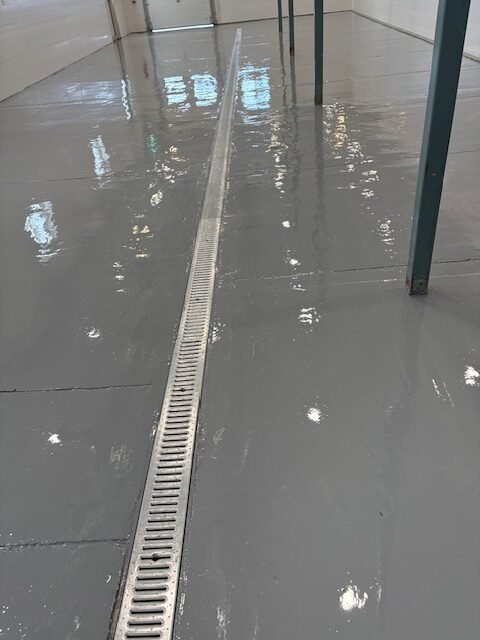
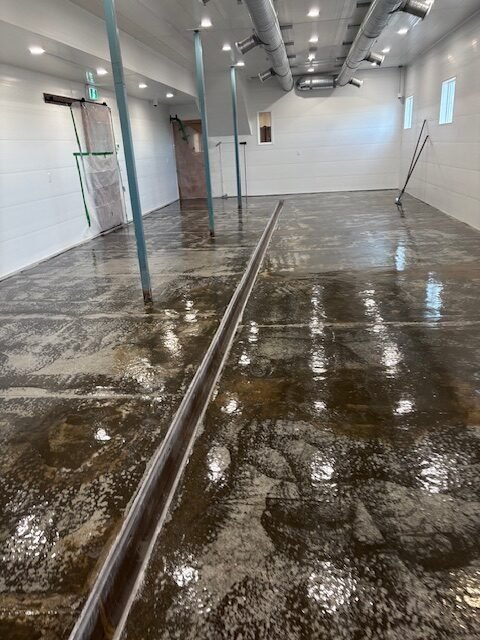
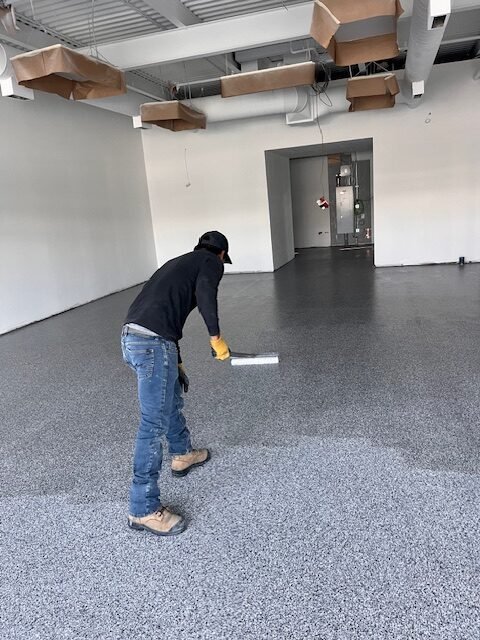
Basements often present unique challenges when it comes to flooring. From moisture concerns to limited natural light and fluctuating temperatures, choosing the right surface is essential. In this context, basement epoxy flooring in Calgary has gained attention as a reliable and long-lasting option for modern homes.
This guide explains what basement epoxy flooring in Calgary is, how it works, and why it is commonly considered for below-grade spaces.
Basement epoxy flooring in Calgary is a coating system applied over concrete surfaces using a combination of resin and hardener. When these components react, they form a rigid, seamless layer that bonds directly to the concrete substrate.
The result is a smooth, durable surface that enhances the performance and usability of basement floors.
Basements differ from above-ground spaces due to their environment. Common issues include:
Moisture seepage through concrete
Dampness and humidity
Mold and mildew risks
Cold and uneven surfaces
These factors make it important to choose flooring that can handle such conditions effectively.
1. Moisture Resistance
Epoxy coatings act as a barrier against moisture infiltration when properly installed. This helps reduce the risk of dampness and related issues like mold growth.
2. Durability
Basement floors often serve multiple purposes—from storage to living spaces. Epoxy flooring can withstand foot traffic, furniture, and general wear without deteriorating quickly.
3. Seamless and Hygienic Surface
The joint-free surface prevents dirt, dust, and bacteria from accumulating, making cleaning easier and improving indoor hygiene.
4. Improved Appearance
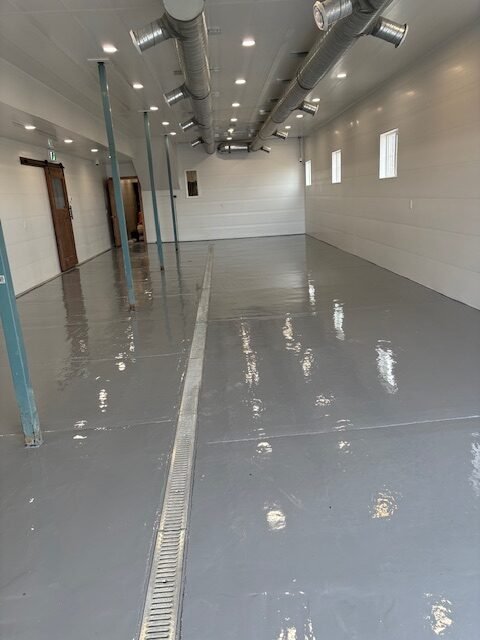
Epoxy flooring enhances the look of a basement by creating a clean, polished finish. Lighter colors and glossy finishes can also help reflect light, making the space feel brighter.
5. Easy Maintenance
Routine cleaning is simple, requiring only basic sweeping and occasional mopping.
Common Uses of Epoxy Flooring in Basements
Basement epoxy flooring in Calgary is versatile and can support different functions:
Storage areas
Home gyms
Entertainment or recreation rooms
Laundry spaces
Workshops or hobby areas
Its adaptability makes it suitable for both functional and finished basements.
Types of Epoxy Flooring for Basements
Self-Leveling Epoxy
Ideal for creating a smooth and even surface over existing concrete, especially if the floor has minor imperfections.
Epoxy Flake Systems
Include decorative flakes that add texture and improve slip resistance, making them practical for multi-use spaces.
Metallic Epoxy
Offers a high-gloss, decorative finish that can enhance the visual appeal of finished basements.
Quartz Epoxy
Provides added durability and slip resistance, useful for areas exposed to moisture or heavy use.
Installation Process
Proper installation is critical for ensuring performance, especially in moisture-prone environments like basements.
Surface Preparation
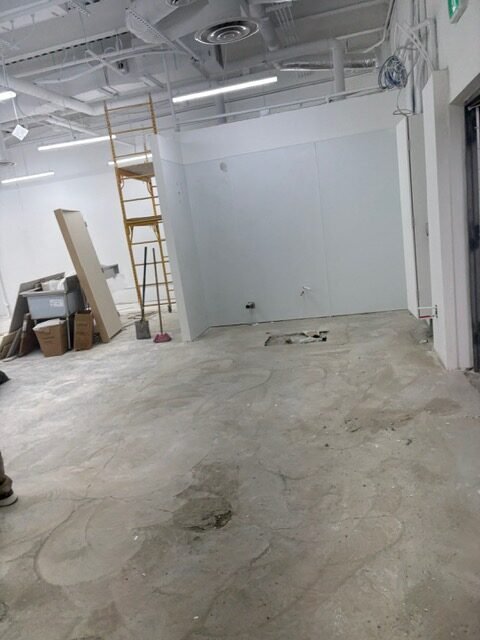
The concrete is thoroughly cleaned and mechanically prepared to remove contaminants and open the pores for better adhesion.
Moisture Testing
Testing the concrete for moisture levels helps determine whether additional moisture barriers are needed.
Primer Application
A primer coat improves bonding and prepares the surface for epoxy application.
Epoxy Coating
Multiple layers of epoxy are applied to build a strong and durable surface.
Topcoat Sealing
A protective topcoat enhances resistance to wear, moisture, and chemicals.
Curing
The coating is allowed to cure fully before the space is used.
Maintenance Tips
Maintaining basement epoxy flooring is straightforward:
Sweep regularly to remove dust and debris
Clean spills promptly
Use mild cleaning agents
Avoid abrasive tools that may damage the finish
Consistent care helps preserve both durability and appearance.
Advantages Over Other Basement Flooring Options
Epoxy vs. Carpet
Carpet can retain moisture and develop mold, whereas epoxy resists moisture and is easier to clean.
Epoxy vs. Laminate
Laminate flooring may warp in damp conditions, while epoxy remains stable and moisture-resistant.
Epoxy vs. Tile
Tiles can crack or allow water to seep through grout lines, whereas epoxy provides a seamless barrier.
Factors to Consider Before Installation
Before choosing basement epoxy flooring, it’s important to evaluate:
Existing moisture levels in the concrete
Condition of the basement floor
Intended use of the space
Desired finish and texture
Ventilation and curing conditions
These factors influence the effectiveness and longevity of the flooring system.
Potential Limitations
While epoxy flooring offers many advantages, there are some considerations:
High moisture levels may require additional preparation
Installation requires careful surface preparation
Curing time may delay immediate use
Surface imperfections can become visible if not addressed
Is Basement Epoxy Flooring a Good Choice?
Basement epoxy flooring in Calgary is often considered a practical solution for homeowners looking to improve durability, manage moisture, and enhance the overall usability of their basement space.
It provides a balance between functionality and aesthetics, making it suitable for both unfinished and finished basements.
Basement epoxy flooring in Calgary transforms standard concrete into a more durable, moisture-resistant, and visually appealing surface. Its seamless finish, ease of maintenance, and adaptability make it a strong contender for modern basement upgrades.
By understanding its features, installation process, and limitations, homeowners can make informed decisions that align with their needs and the unique conditions of basement environments.
Contact us today for more information, expert guidance, and a free quote for your next project.

Alvason Contracting Inc delivers expert epoxy solutions and quality craftsmanship for durable, stylish residential and commercial spaces.
© 2026 Copyright
WhatsApp us