Concrete sidewalks are an essential part of both residential and commercial properties, offering safe, functional, and visually appealing pathways. Whether you’re planning a new installation or replacing an old walkway, understanding the process and benefits of concrete sidewalks helps you make informed decisions.
Why Choose Concrete for Sidewalks?
Concrete remains one of the most preferred materials for sidewalks due to its durability, low maintenance, and versatility. Properly installed concrete sidewalks can last for decades while maintaining their structural integrity. They are capable of withstanding heavy foot traffic and varying weather conditions without significant wear and tear.
Additionally, concrete offers design flexibility. From smooth finishes to broom textures and decorative stamped patterns, it can complement different architectural styles while enhancing curb appeal.
Key Steps in Sidewalk Concrete Installation
- Site Preparation & Excavation
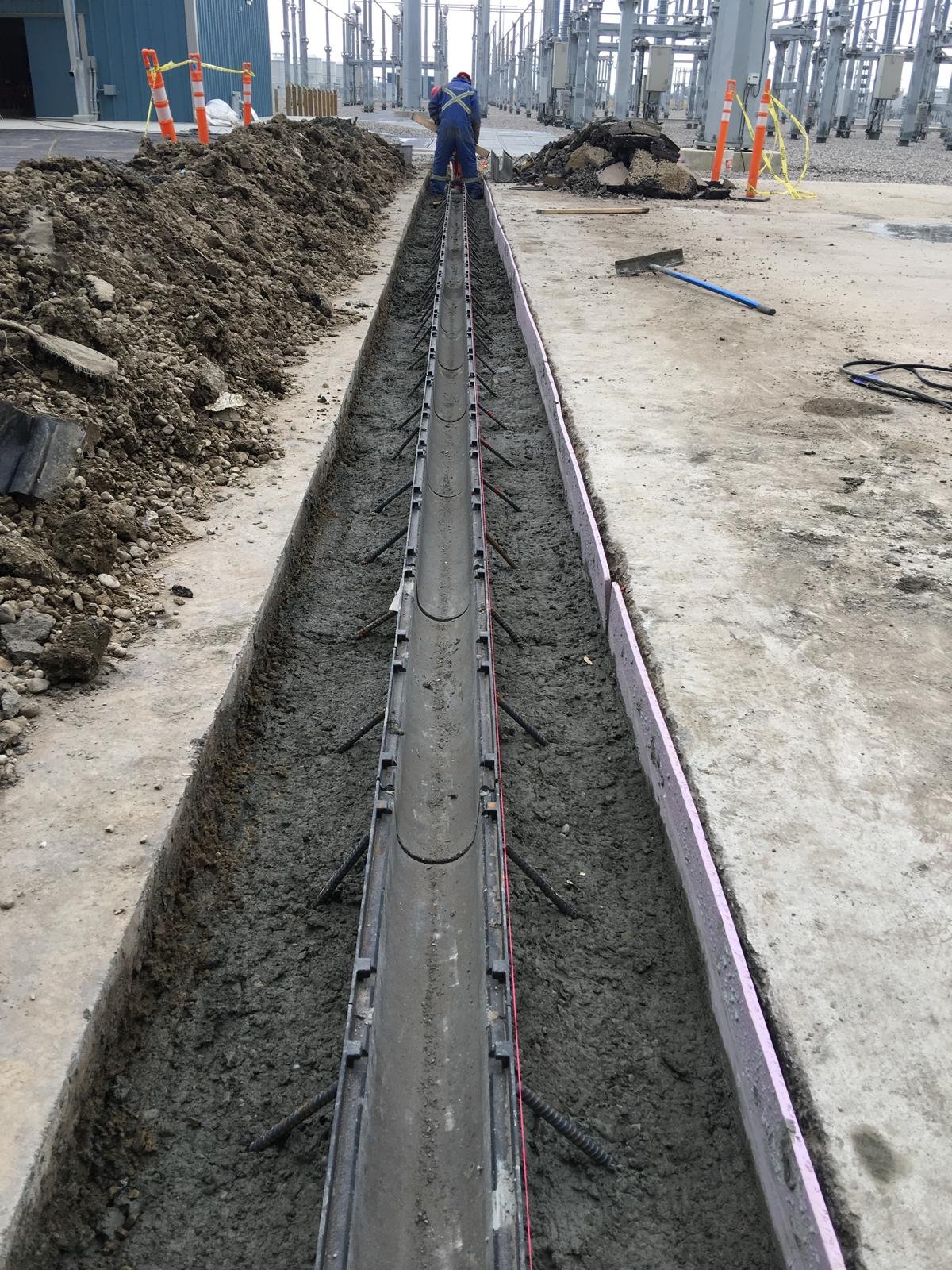
The process begins with clearing the area of debris, roots, and existing materials. Excavation ensures the ground is leveled and ready for a stable base. - Base Installation
A compacted gravel or crushed stone base is laid to provide stability and proper drainage. This step is crucial, as a poorly prepared base can lead to cracks and uneven surfaces over time. - Formwork Setup
Wooden or metal forms are installed to define the shape and dimensions of the sidewalk. Proper alignment ensures a uniform and professional finish. - Reinforcement
Depending on the project, reinforcement such as rebar or wire mesh may be added to increase strength and reduce the risk of cracking. - Concrete Pouring & Finishing
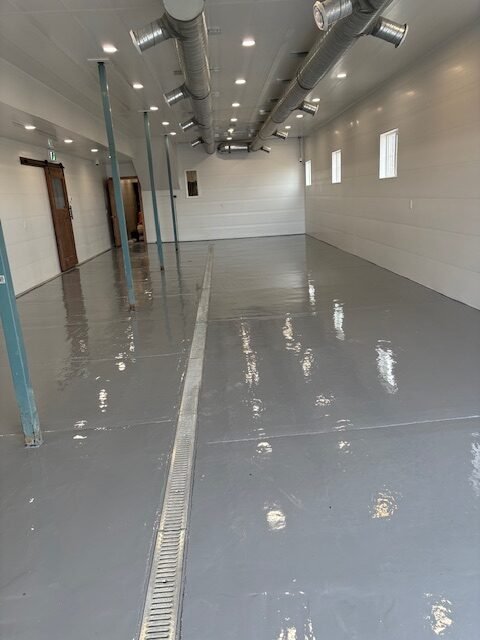
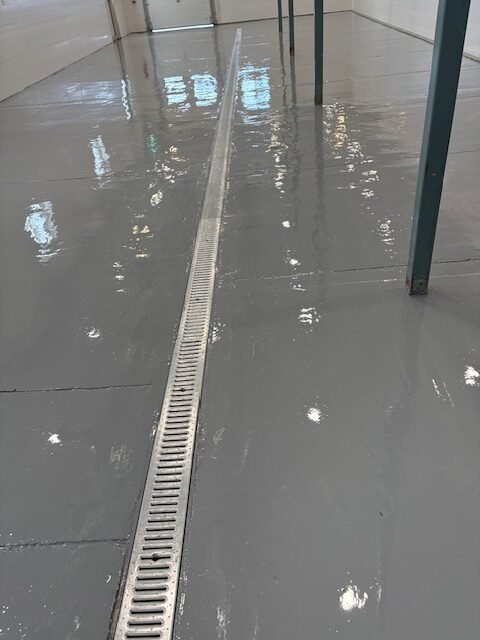
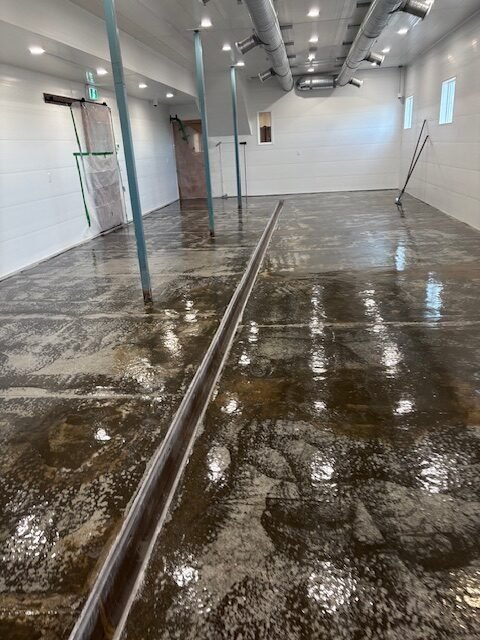
Concrete is poured evenly into the forms and leveled using screeding tools. Finishing techniques like broom finishing improve traction and safety, especially in wet conditions. - Curing Process
Curing is essential for achieving maximum strength. The concrete must be kept moist for several days to prevent premature drying and cracking.
Importance of Proper Installation
While sidewalks may appear simple, improper installation can lead to issues such as cracking, uneven surfaces, and water pooling. Professional contractors focus on correct grading, thickness, and joint placement to ensure long-term performance.
Applications of Concrete Sidewalks
Concrete sidewalks are widely used in residential pathways, commercial properties, and public infrastructure. They improve accessibility while enhancing safety by providing a stable, slip-resistant surface.
Final Thoughts
Investing in a well-installed concrete sidewalk is a smart decision for any property owner. With the right materials, proper installation techniques, and regular maintenance, concrete sidewalks offer a long-lasting and cost-effective solution.