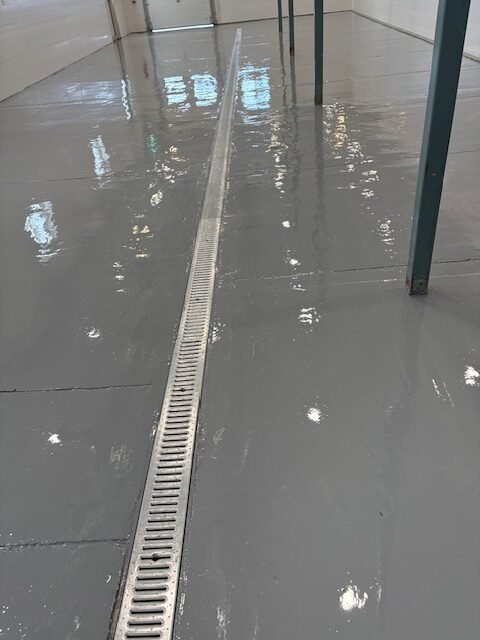
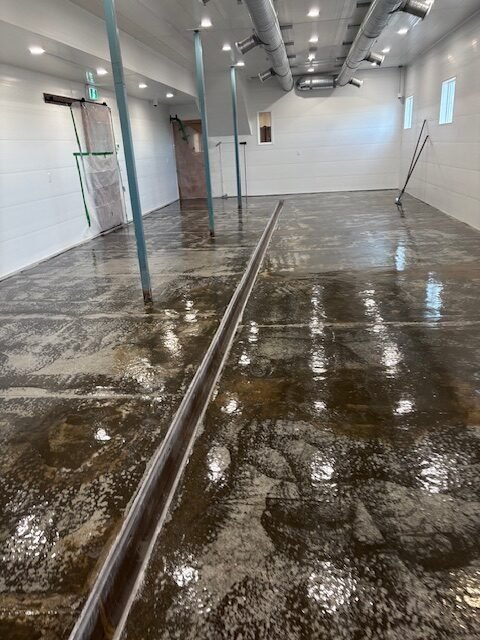
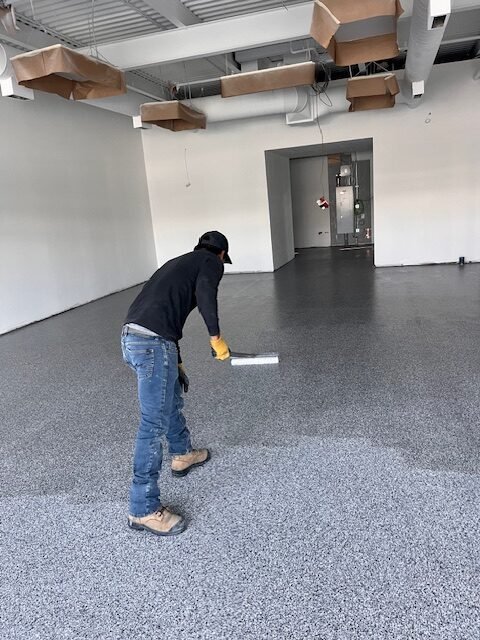
Concrete is one of the most widely used construction materials due to its strength and longevity. However, over time, even the most durable concrete surfaces can show signs of wear, cracking, and discoloration. Instead of complete replacement, concrete resurfacing services in Calgary offer a practical way to restore and enhance existing surfaces.
This guide explores what concrete resurfacing is, how it works, and when it may be considered.
Concrete resurfacing is the process of applying a new layer or coating over existing concrete to repair damage and improve appearance. This technique allows the original slab to remain in place while addressing surface-level issues.
Resurfacing materials are typically made from polymer-modified cement or similar compounds that bond effectively with the existing concrete.
Concrete surfaces are constantly exposed to environmental and mechanical stress. Common causes of deterioration include:
Weather fluctuations (freeze-thaw cycles)
Heavy foot or vehicle traffic
Moisture penetration
Chemical exposure
Improper initial installation
Over time, these factors can lead to cracks, spalling, stains, and uneven surfaces.
1. Cost-Effective Restoration
Resurfacing is generally more economical than removing and replacing entire concrete slabs, especially when the structural base remains intact.
2. Improved Appearance
Resurfacing can transform worn or stained concrete into a clean, refreshed surface with a uniform finish.
3. Extended Lifespan
Applying a new layer helps protect the underlying concrete from further damage, extending its usability.
4. Versatile Finishes
Various textures, patterns, and colors can be applied, allowing for both functional and decorative outcomes.
5. Reduced Downtime
Compared to full replacement, resurfacing typically requires less time, making it a convenient option for many settings.
Common Applications of Concrete Resurfacing
Concrete resurfacing services are used across a variety of environments:
Residential Areas
Driveways
Patios
Walkways
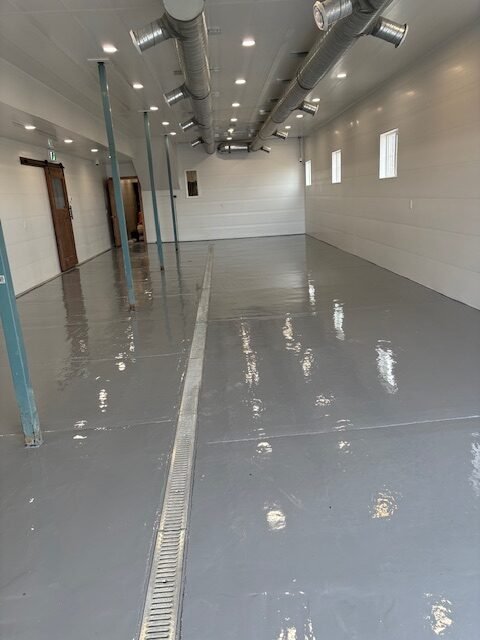
Garage floors
Commercial Spaces
Parking lots
Sidewalks
Retail entrances
Industrial Settings
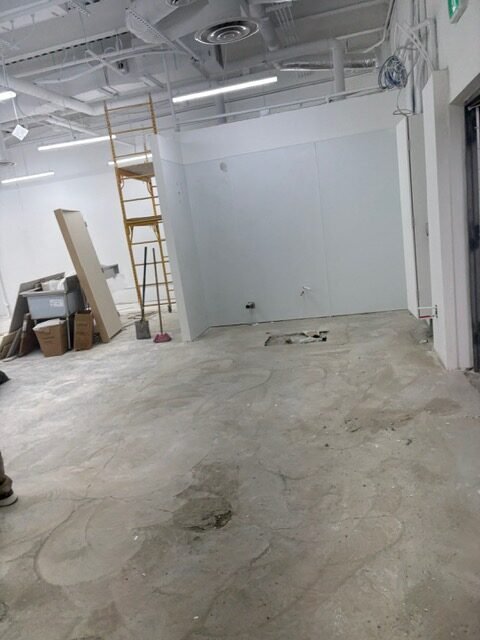
Warehouse floors
Loading docks
The adaptability of resurfacing makes it suitable for both indoor and outdoor applications.
Types of Concrete Resurfacing Methods
Overlay Resurfacing
A thin layer of cement-based material is applied to create a new surface. This is one of the most common methods.
Micro-Topping
A very thin coating used to smooth and refine surfaces, often for decorative purposes.
Stamped Concrete Overlay
Creates patterns and textures that mimic materials like stone, brick, or tile.
Spray Coating
Typically used for outdoor surfaces such as pool decks, providing texture and slip resistance.
1. Surface Cleaning
The existing concrete is thoroughly cleaned to remove dirt, grease, and debris.
2. Repair of Damage
Cracks, holes, and uneven areas are repaired to create a stable base.
3. Surface Preparation
Mechanical methods like grinding or pressure washing are used to improve adhesion.
4. Application of Resurfacing Material
The chosen resurfacing compound is applied evenly across the surface.
5. Finishing
Textures, patterns, or colors may be added depending on the desired outcome.
6. Curing
The surface is allowed to cure, ensuring proper bonding and durability.
Maintenance and Care
To maintain resurfaced concrete:
Clean regularly to remove debris
Avoid harsh chemicals
Seal the surface periodically if required
Address minor damage promptly
Proper maintenance helps preserve both appearance and performance.
Advantages Over Concrete Replacement
Resurfacing vs. Replacement
Less invasive: No need for demolition
Lower cost: Uses existing structure
Faster completion: Reduced project timelines
Environmentally conscious: Minimizes material waste
These advantages make resurfacing a practical alternative in many situations.
Factors to Consider Before Resurfacing
Before opting for concrete resurfacing services in Calgary, it is important to evaluate:
Structural integrity of the existing concrete
Extent of damage
Moisture conditions
Intended use of the surface
Environmental exposure
If the underlying concrete is severely damaged, full replacement may be necessary.
Limitations of Concrete Resurfacing
While resurfacing offers many benefits, there are some limitations:
Not suitable for deeply cracked or unstable slabs
Requires proper surface preparation
May need periodic sealing
Performance depends on application quality
When to Consider Concrete Resurfacing
Concrete resurfacing may be a suitable option when:
The surface shows cosmetic damage but remains structurally sound
You want to improve appearance without full replacement
Time and budget constraints are a factor
A decorative finish is desired
Concrete resurfacing services in Calgary provide an effective way to restore worn surfaces while extending their lifespan. By addressing surface damage and enhancing appearance, resurfacing offers a balanced approach between repair and replacement.
Understanding the process, benefits, and limitations helps property owners make informed decisions about maintaining and upgrading their concrete surfaces.
Contact us today for more information, expert guidance, and a free quote for your next project.

Alvason Contracting Inc delivers expert epoxy solutions and quality craftsmanship for durable, stylish residential and commercial spaces.
© 2026 Copyright
WhatsApp us